

From a Glass of Kisi to the Cradle of Wine
There comes a point in every wine lover's journey when a bottle becomes more than just a memorable tasting. It becomes a turning point.
Over the years, I have tasted hundreds—perhaps even thousands—of wines. There have been wines I have admired for their precision, benchmark examples that define a region or grape variety, and bottles that have earned their place among the world's finest.
And then there are the wines that quietly change the course of your journey.
For me, that wine was the Nikalas Marani Kisi 2021.
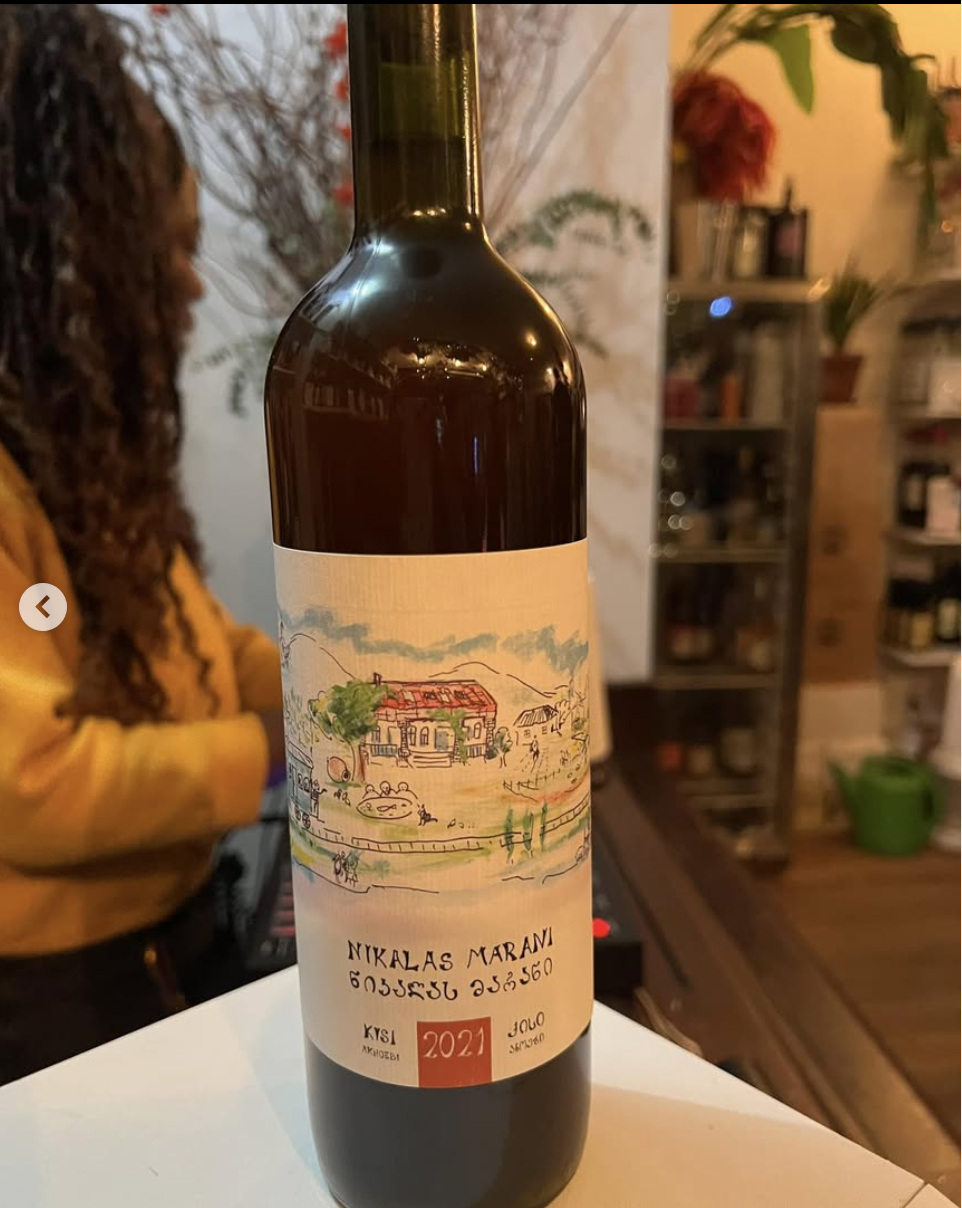
My first sip was unlike anything I had experienced before.
How does one accurately describe the aromas, flavours, texture, and energy of an amber wine fermented in qvevri? It challenged every reference point I had built through years of studying and tasting wine.
Looking back at the notes I shared on Instagram on February 9, 2023, I wrote:
"Fermented in qvevri with one month of full skin contact, this amber wine has all the aromas and flavours that make it an absolute stunner. Aromas of dried apricots and mangoes, ripe peaches and pineapples with spiced pears, dried orange peel, toasted almonds and walnuts harmonize and burst from the glass. On the palate, it is relatively full-bodied and mouth-coating, with the delicious fruit flavours accentuated by jasmine tea and orange pith on a lengthy finish."
Even today, I remember that wine vividly.
It was unlike anything I had tasted before—an unforgettable sensory experience that somehow conveyed history, tradition, and culture long before I had ever experienced any of them firsthand.
Having spent nearly two decades in the wine industry, I have been fortunate to explore wines from many of the world's most celebrated regions. Yet this bottle, made from the indigenous Georgian grape Kisi, awakened something I hadn't felt in quite some time:
Curiosity.
Where had this wine come from?
Why had I never encountered this grape variety before?
How could a country with such a rich and distinctive wine culture remain relatively unfamiliar to so many wine professionals and consumers alike?
Those questions became the beginning of a journey.
They also marked the beginning of a friendship.
The importer of that bottle, Shalva, enthusiastically answered every question I asked—and then many I hadn't yet thought to ask. What began as conversations about a single bottle soon evolved into hours of discussions about Georgia, his homeland. Our shared passion for wine, and my intrigue into the history and technical details about the country and its winemaking traditions quickly became the foundation of an enduring friendship.
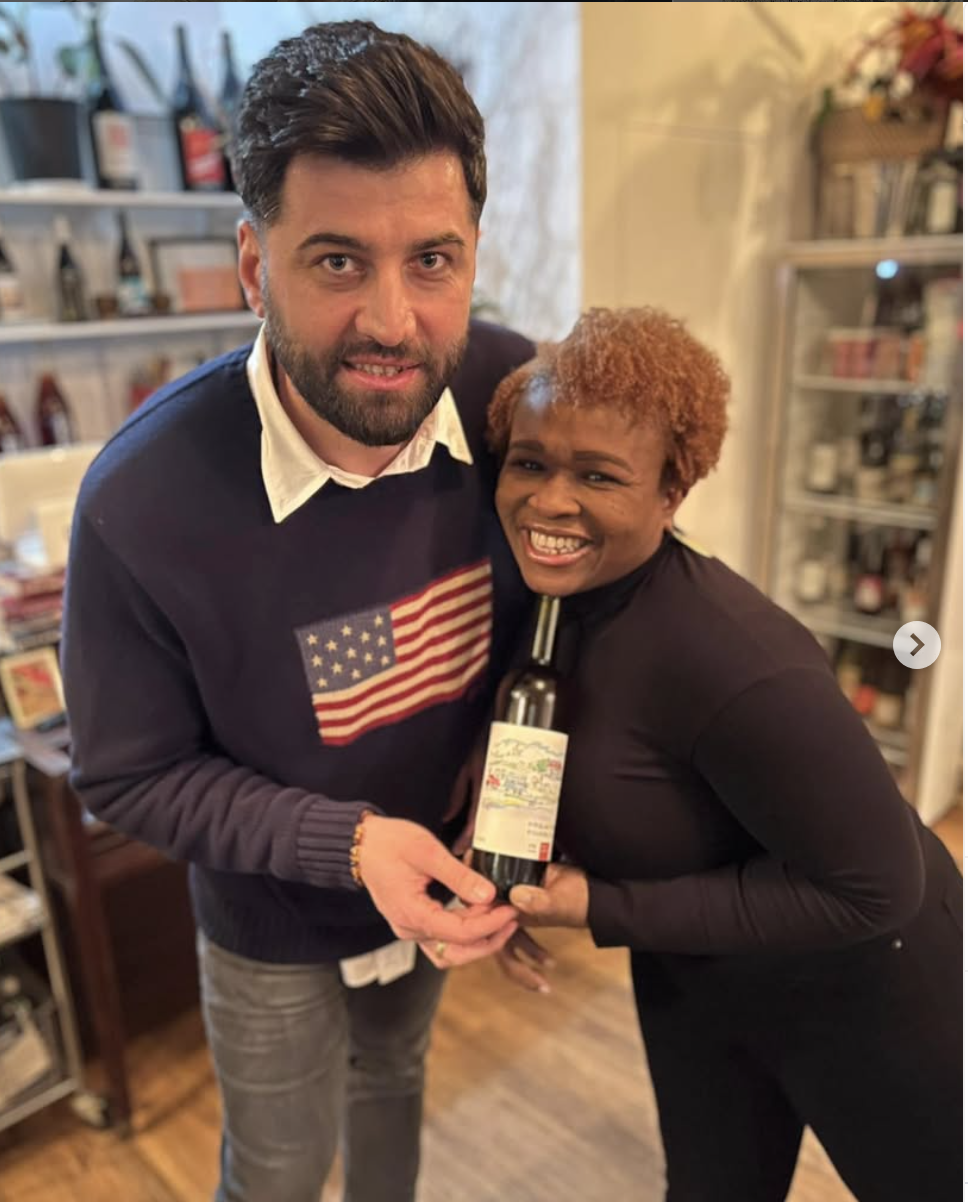
With every conversation, another piece of Georgia revealed itself.
I was introduced to grape varieties whose names initially seemed almost impossible to pronounce—Tsolikouri, Tsitska, Saperavi, Rkatsiteli, Chinuri, Kisi, and many others. We spoke about the country's diverse wine regions and the remarkable diversity of styles they produce. Shalva patiently taught me not only how to pronounce unfamiliar names but also the stories behind them, transforming the country and its indigenous grape varieties into living history.
The more I learned, the more I realized how much there was still to discover.
Georgia is widely regarded as the cradle of wine. Archaeological evidence suggests that winemaking has been practiced there for approximately 8,000 years. It is home to hundreds of indigenous grape varieties and the ancient tradition of fermenting and ageing wine in clay vessels known as qvevri—a practice so culturally significant that UNESCO has recognized it as an Intangible Cultural Heritage of Humanity.
And yet, despite its extraordinary contribution to the history of wine, Georgia had received remarkably little attention throughout my formal wine education.
At the time, I was preparing for the WSET Diploma in Wines, immersing myself in the world's major wine regions and their histories. It struck me that a country whose contribution to wine is arguably foundational occupied no place within that framework.
That realization was both humbling and exciting.
No matter how much I had learned, there was still an incredible amount left to discover.
Then, in February 2025, an unexpected message arrived.
Shalva asked whether I would be interested in joining a wine study tour to Georgia, sponsored by the Natural Wine Association.
Some invitations require careful consideration (especially when you are in the midst of preparation for two days of WSET Diploma exams on the Wines of the World)!
This wasn't one of them.
Once the travel dates were confirmed, I purchased my airline ticket, rearranged my professional commitments, and began preparing for what I already suspected would become one of the more meaningful wine journeys of my career.
At the time, I thought I was simply travelling to another wine-producing country.
I couldn't have been more mistaken.
I was travelling to the birthplace of wine.
Looking back now, it is remarkable to think that this entire journey began with a single bottle of Kisi.
People often ask me what my favourite wine is.
It is a question I find almost impossible to answer.
That bottle, like many others, taught me that every new wine carries the possibility of becoming another favourite—not simply because of what is in the glass, but because of where it can lead. A single bottle can spark meaningful conversations, lifelong friendships, and journeys that reshape the way we understand wine and, perhaps, the world itself.
I have often said that there is a great story in every bottle.
Wine is never just wine.
It is history, geography, agriculture, language, culture, and, perhaps most importantly, people.
My journey to Georgia was never about checking another wine region off a list. It was about immersing in and experiencing one of the world's oldest wine cultures firsthand. It was about challenging many of the assumptions I had unknowingly carried throughout my wine education and experiences, and returning, quite literally, to where the story of wine began.
Most of all, it reminded me that no matter how much I think I know, there will always be more to learn.
And that is one of the greatest joys of this profession.
The story, however, is only just beginning!